Where the old Angelina County records are, which books to pull, which cemeteries to walk, and a searchable list of more than 130 pioneer families the 1976 county history profiles.
Start here
Where Angelina County’s family records are
Most of what you need is closer than you think. Here’s the path we’d take, in order.
Kurth Memorial Library, Lufkin: the Ora McMullen Genealogy Room. The county history calls it one of the most complete genealogy rooms in East Texas. Ask for three things: the countywide listing of every cemetery and its marked graves; the pioneer collection, which holds every family sketch submitted for the 1976 county history, including the ones that never made it into print; and the 1974–76 history committee’s research files.Source: Bob Bowman, ed., Land of the Little Angel: A History of Angelina County, Texas (Lufkin: Lufkin Printing Co., 1976), pp. vii, 86, 247, 317.
The books.Land of the Little Angel (1976), especially Chapter 16, “Some Pioneer Sketches,” and its index. R. W. Haltom’s History and Description of Angelina County (1888; reprinted 1969), the first county history. Effie Boon’s 1937 University of Texas thesis, The History of Angelina County, which is free to read online and lists the old-timers she interviewed in 1934. Archie Birdsong Mathews’s 1952 UT thesis on the county’s economic development.Source: Bob Bowman, ed., Land of the Little Angel: A History of Angelina County, Texas (Lufkin: Lufkin Printing Co., 1976), pp. 62, 151, 205, 320–322.
Old newspapers. Early issues of the Lufkin Daily News and The Lufkin News are searchable for free on the Portal to Texas History. In Huntington, the McMullen Memorial Library is worth asking about the old Angelina County News (1939–50) and Huntington-Zavalla Herald.
Courthouse records. The Angelina County Clerk and District Clerk hold deeds, probate and court records back to 1846. The county history notes records from the Homer years survive at the Lufkin courthouse.Source: Bob Bowman, ed., Land of the Little Angel: A History of Angelina County, Texas (Lufkin: Lufkin Printing Co., 1976), pp. 213, 320.
Confederate service and pensions. The Texas State Library and Archives keeps the index of Confederate pension applications, including widows’ pensions. The National Park Service’s Soldiers and Sailors database lists units. The county raised Company D of the 7th Texas Cavalry in 1861 and a second company at Homer in 1862.
Land grants and surveys. The Texas General Land Office holds the original Spanish, Mexican and Republic land grants. The county’s first surveyor, William G. Lang, made its first land map in 1848.Source: Bob Bowman, ed., Land of the Little Angel: A History of Angelina County, Texas (Lufkin: Lufkin Printing Co., 1976), pp. 22, 281.
Graves and markers. Find a Grave and the Texas Historical Commission’s Historic Sites Atlas cover many county cemeteries. Then go walk them, before the next road or pipeline does.
Is your family in the book?
Pioneer families in Land of the Little Angel
Chapter 16 of the 1976 county history profiles the families who settled here before about 1910; we list 138 of them. Type a surname to check. Page numbers point you to where that family’s sketch falls in the book. The committee itself warned that the sketches, sent in by families, contain errors, so treat them as leads and check them against records.
Abneypp. 247–257
Abrampp. 247–257
Albrittonpp. 247–257
Aldredgepp. 247–257
Allredpp. 247–257
Arnettpp. 247–257
Atkinsonpp. 247–257
Bairdpp. 247–257
Bargepp. 247–257
Barrettpp. 247–257
Beasleypp. 247–257
Behelerpp. 247–257
Berrypp. 247–257
Binionpp. 247–257
Bledsoepp. 247–257
Bonnerpp. 247–257
Boonepp. 247–257
Brazilpp. 247–257
Brennanpp. 247–257
Broderickpp. 247–257
Brookshirepp. 247–257
Burkepp. 257–258
Butlerpp. 258–267
Cahalpp. 258–267
Calhounpp. 258–267
Canonpp. 258–267
Chesnuttpp. 259
Childerspp. 258–267
Cochranpp. 258–267
Collinspp. 258–267
Collmorgenpp. 258–267
Coxpp. 258–267
Crawfordpp. 258–267
Davispp. 258–267
Denmanpp. 262–263
Dennispp. 258–267
DuBosepp. 258–267
Dunnpp. 258–267
Durhampp. 258–267
Easonpp. 264
Evanspp. 258–267
Everittpp. 258–267
Ewingpp. 265–266
Fairchildpp. 258–267
Feaginpp. 258–267
Forrestpp. 267
Frankpp. 258–267
Freemanpp. 258–267
Gannpp. 267–270
Georgepp. 268–277
Gibsonpp. 268–277
Gillilandpp. 268–277
Gipsonpp. 268–277
Glennpp. 268–277
Goodwinpp. 268–277
Hackneypp. 274–275
Halespp. 268–277
Harrispp. 268–277
Havardpp. 268–277
Hawkinspp. 275–276
Hendersonpp. 268–277
Herringtonpp. 268–277
Hillpp. 268–277
Hollandpp. 268–277
Jonespp. 277–278
Jordanpp. 278–287
Kelleypp. 278–287
Keltypp. 278–287
Kerrpp. 278–287
Kurthpp. 280–281
Lairdpp. 278–287
Langpp. 278–287
Largentpp. 278–287
Leachpp. 278–287
Lockpp. 278–287
McCallpp. 278–287
McCarthypp. 278–287
McCartypp. 278–287
McConnicopp. 278–287
McCoypp. 278–287
McGilberypp. 278–287
McMullenpp. 286–288
McPhersonpp. 288–297
Manningpp. 288–297
Mantoothpp. 288–290
Marberrypp. 288–297
Maroneypp. 288–297
Massingillpp. 291–292
Mathewspp. 288–297
Medfordpp. 288–297
Modisettpp. 288–297
Mottpp. 288–297
Mullerpp. 288–297
Nerrenpp. 288–297
Otispp. 288–297
O’Quinnpp. 288–297
Parkerpp. 288–297
Peavypp. 288–297
Perkinspp. 288–297
Perrypp. 296–298
Pricepp. 298–307
Registerpp. 298–307
Renfropp. 299
Rickspp. 298–307
Robbpp. 298–307
Rushpp. 298–307
Russellpp. 300
Ryanpp. 298–307
Satterwhitepp. 298–307
Sayerspp. 298–307
Scottpp. 298–307
Shearerpp. 298–307
Singletonpp. 298–307
Squyrespp. 298–307
Stanleypp. 298–307
Stathampp. 298–307
Stegallpp. 298–307
Stewartpp. 298–307
Stovallpp. 304
Sumrallpp. 298–307
Templepp. 298–307
Thompsonpp. 298–307
Townsendpp. 307–308
Traweekpp. 308–315
Treadwellpp. 308–315
Troutpp. 308–315
Van Nuyspp. 308–315
Walkerpp. 308–315
Wattspp. 308–315
Weaverpp. 308–315
Weekspp. 308–315
Wheatpp. 308–315
Wheelerpp. 308–315
Whitepp. 308–315
Williamspp. 308–315
Wilsonpp. 308–315
Wrightpp. 308–315
Zeaglerpp. 308–315
Outlined in red: our founder’s lines. Some surnames appear in other families’ sketches too (Russell daughters married into the Aldredge and Atkinson families, for example), so check the book’s index as well. To see everywhere a name shows up on this site, try Find your family.
Sources: Bob Bowman, ed., Land of the Little Angel: A History of Angelina County, Texas (Lufkin: Lufkin Printing Co., 1976), Chapter 16, pp. 247–315.
Walk the ground
Old cemeteries of the county
Most of the county’s first cemeteries began beside churches in the 1860s and 1870s. Others started when a family buried someone on their own land and later gave the ground. So many early graves are unmarked that nobody can say for sure which cemetery is oldest.
Walker CemeteryRedland, about 1855. Named for Thomas R. Walker.
Prairie GroveNear Diboll. Begun in 1849 with the graves of three Stovall children.
Bodan CemeteryPollok, 1850s. It straddles the old Smuggler’s Trail.
Homer Cemetery1860s, at the old county seat.
Largent CemeteryNear Bethlehem, 1862.
Page CemeteryNear Manning, 1863.
Jonesville CemeteryAbout three miles southeast of Huntington, at the second county seat. Home of the petrified-log marker.
Center CemeteryNear Huntington and the Rocky Springs community.
Old CenterAbout eight miles southeast of Lufkin, early 1880s.
The Havard cemeteriesFamily cemeteries of the Havard brothers; two near Saron date to the early 1870s.
Renfro CemeteryOn the old Renfro homeplace, Renfro Prairie (Beulah). John Folkner Renfro’s grave.
Gann CemeteryAt Clawson.
Not every grave stayed put. Before Sam Rayburn Reservoir filled, families’ graves were dug up and moved, seven cemeteries from Concord alone. And the county history records a pioneer family, the Brazils, buried in a cemetery that ended up inside the Gulf pipeline pump station at Redland. Unmarked family cemeteries are the most at risk when land changes hands. If you know of one, write it down and tell us. See Lost to the lake.
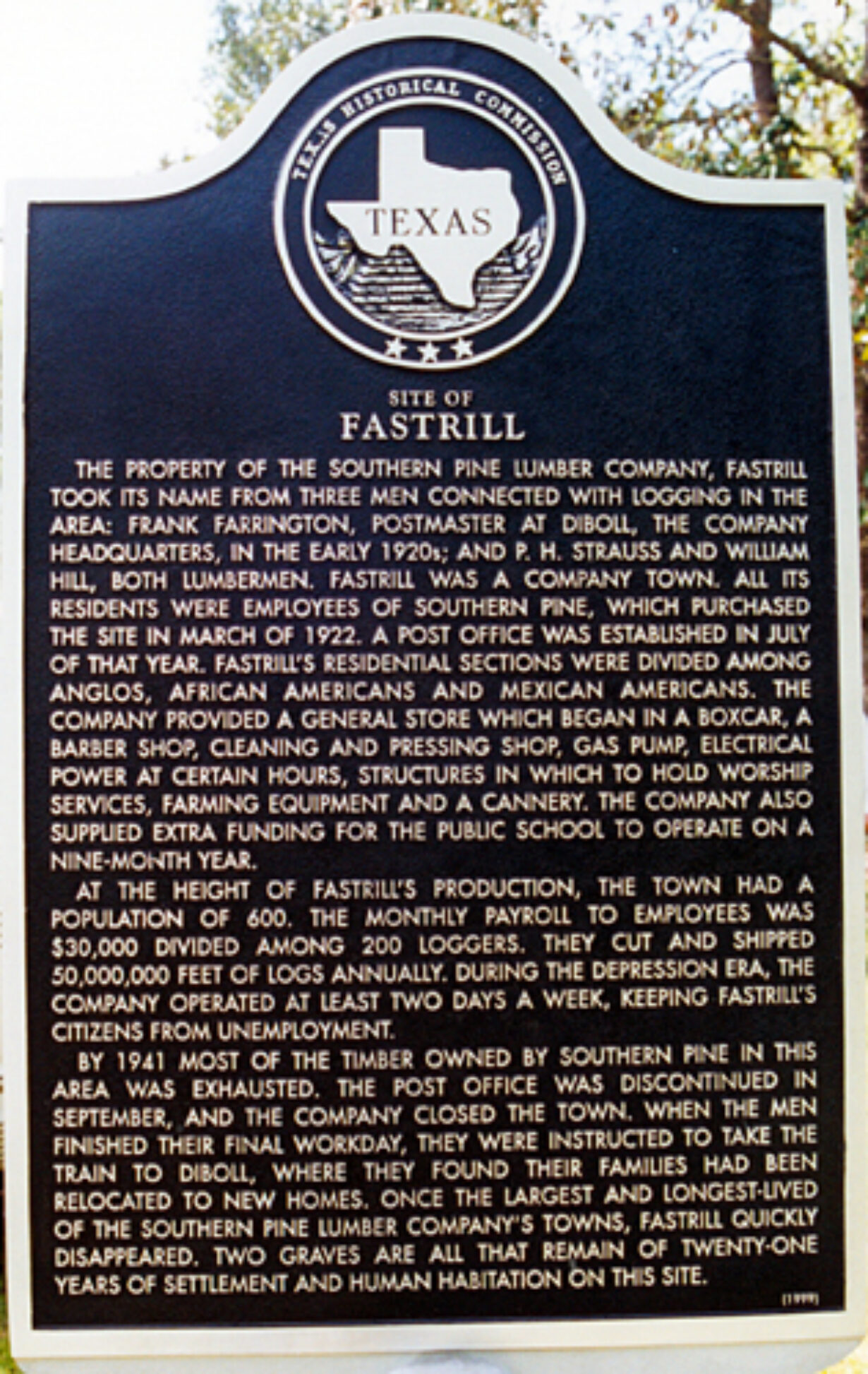
Sources: Bob Bowman, ed., Land of the Little Angel: A History of Angelina County, Texas (Lufkin: Lufkin Printing Co., 1976), pp. 85–86, 173, 255, 264, 273, 277, 299, 304–305, 309.The Texas Historical Commission marker at the old Fastrill logging camp, dedicated in April 2000. Photo by Jonathan Gerland. Markers like this often hold the best short history of a place. Courtesy of The History Center, Diboll, Texas.
Our founder’s lines
Her mother’s side runs through Oak Flat and Huntington. Her father’s side, the Fosters, came from Alto in Cherokee County, and her grandfather spent his working life on the railroads that tied the Piney Woods together.
Huntington
The Snowdens
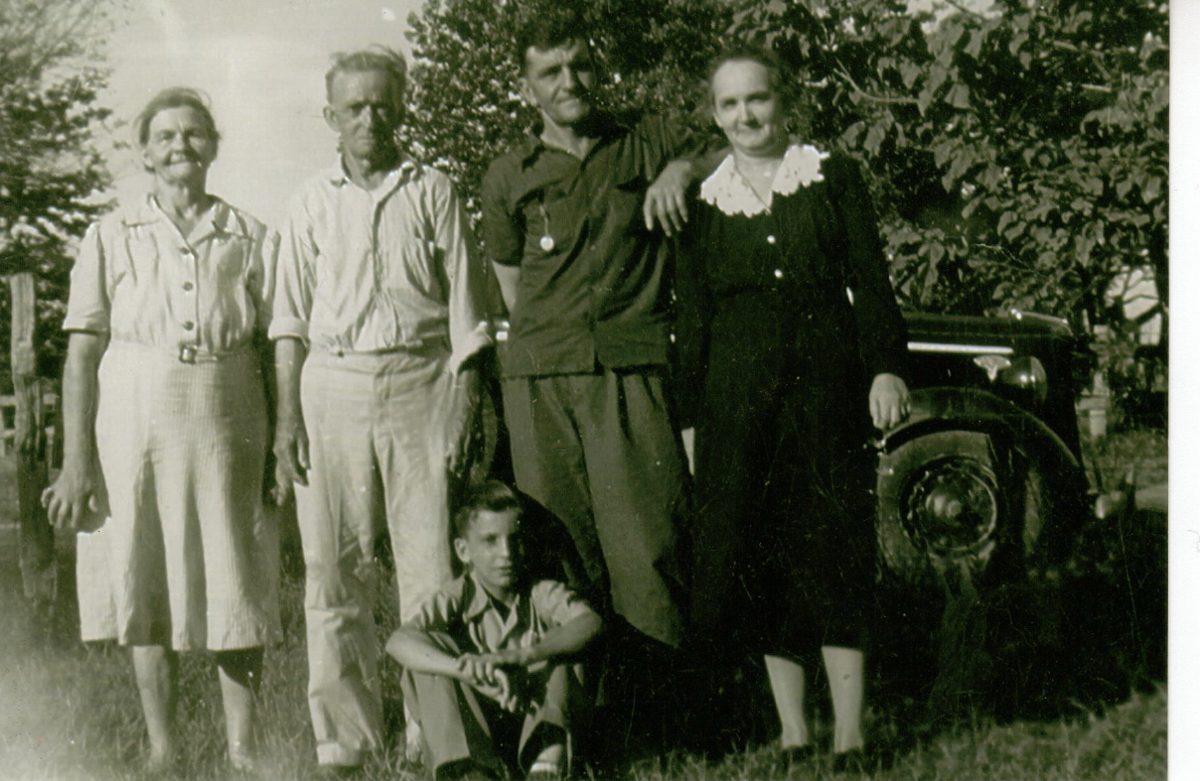
Hardy and Nettie Snowden, “Big Papa” and “Big Mama,” with their son George, his wife Rosa and a grandson. Family photo.
Hardy Alexander Snowden and Nettie Gardner Snowden raised a big family at Huntington. Hardy died there in 1949 and Nettie in 1952. Their daughter Stella married Randolph Forrest, and Stella’s daughter Jewell married Dale Russell of Oak Flat.
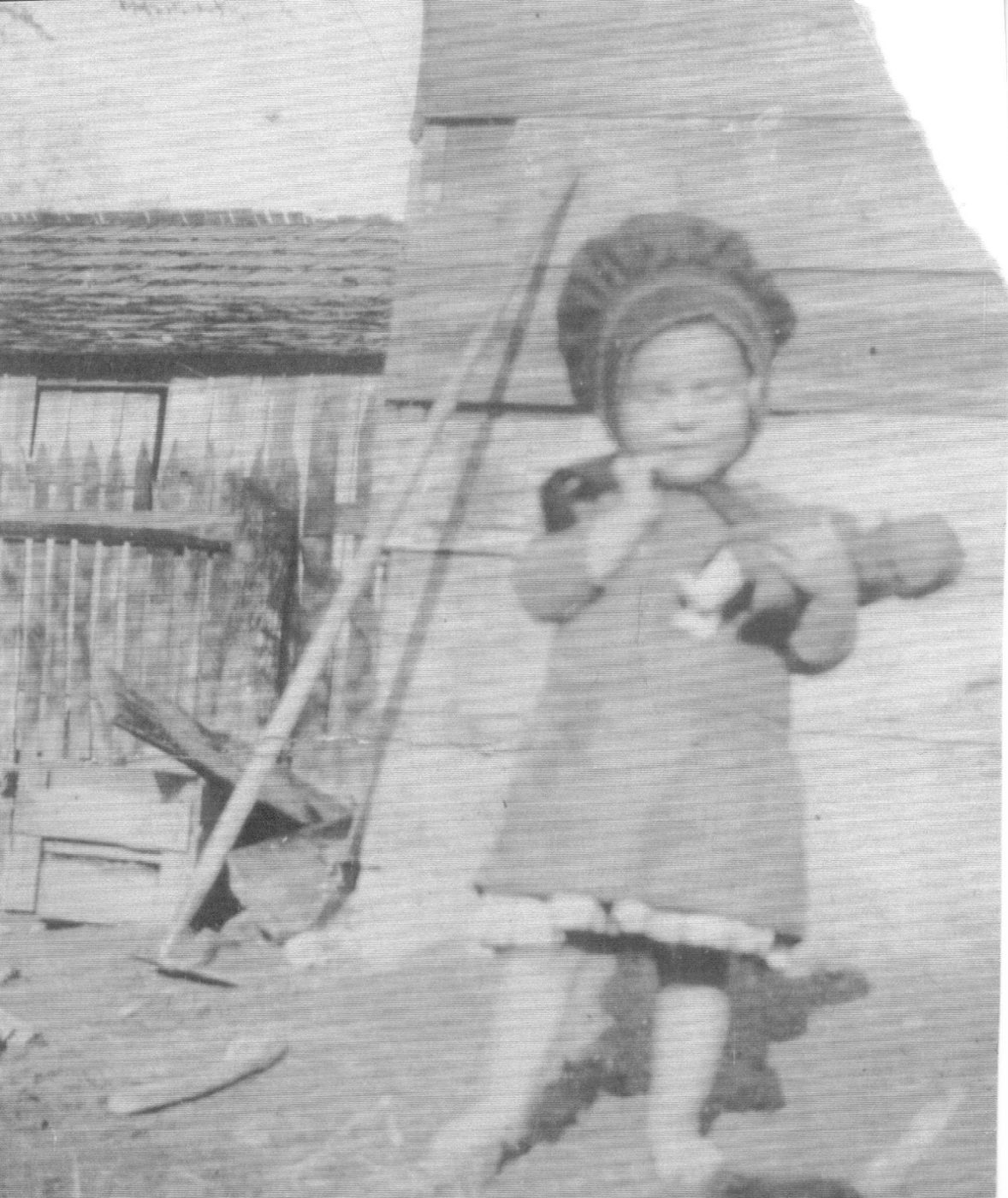
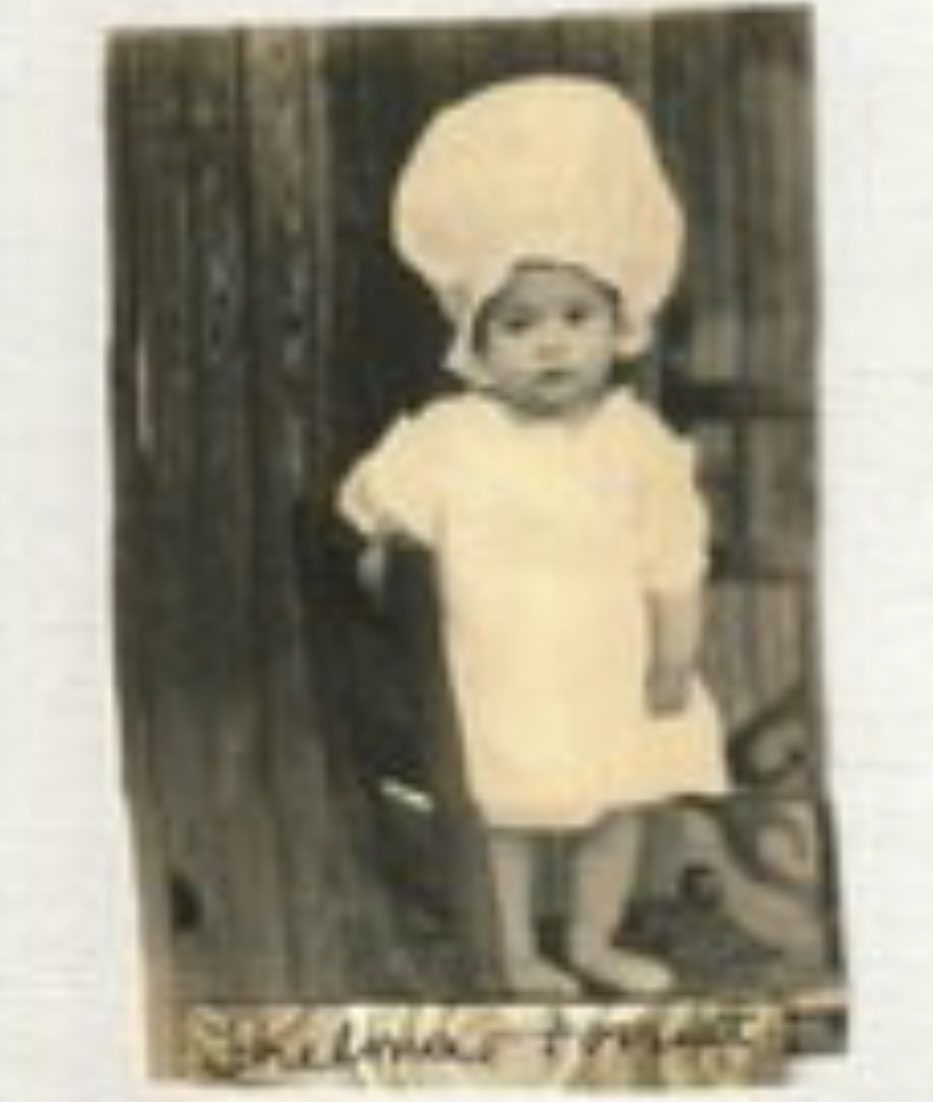
Vernice Snowden, George and Rosa’s little girl, at Huntington in the early 1920s. Family photo.Thelma Forrest, Stella’s daughter, as a baby in the early 1920s. Family photo.Sources: family records and photographs.Alto, Lufkin and Diboll
Charles Henry Foster, railroad man
Charles Henry Foster with his firstborn, about 1950. Family photo.
Charles Henry Foster was born Sept. 19, 1928, in Alto, to Nesbitt E. and Rosa Neely Foster, and grew up in the Primrose community. He graduated from Alto High School in 1946, served with the Army of occupation in Japan, went to Pineywoods Business College, and went to work for the Southern Pacific Railroad in Lufkin. He later worked for the Texas South-Eastern Railroad in Diboll, the Temple family’s line out of Diboll. He married Mary Elizabeth Barfield, and he died in Lufkin on April 24, 2010.
Alfred Chestnut (1798–1864) was born on Six Run Creek in Sampson County, North Carolina. He and his wife, Mary Jane Campbell Chestnut (1818–1879), were living near Homer by the late 1850s. Alfred died at Oak Flat in 1864 and Mary Jane at Homer in 1879, and both are buried at Oak Flat. Their daughter Mary (1852–1913) married W. D. “Bill” Russell. She’s our founder’s 3rd great-grandmother.
Sources: family records.Ora, near Huntington
The Herringtons and Cochrans
James Herrington (1825–1889), born in Alabama, married Catharine Cochran (1833–1903), daughter of Joshua Butler Cochran of Ora, and they raised a big family near Huntington. Their daughter Jo Ann (1858–1890) married J. H. McClure. She’s our founder’s 4th great-grandmother. James, Catharine and Jo Ann are buried in the Herrington Cemetery near Huntington, the same family cemetery as Joseph Herrington, the county’s first chief justice.
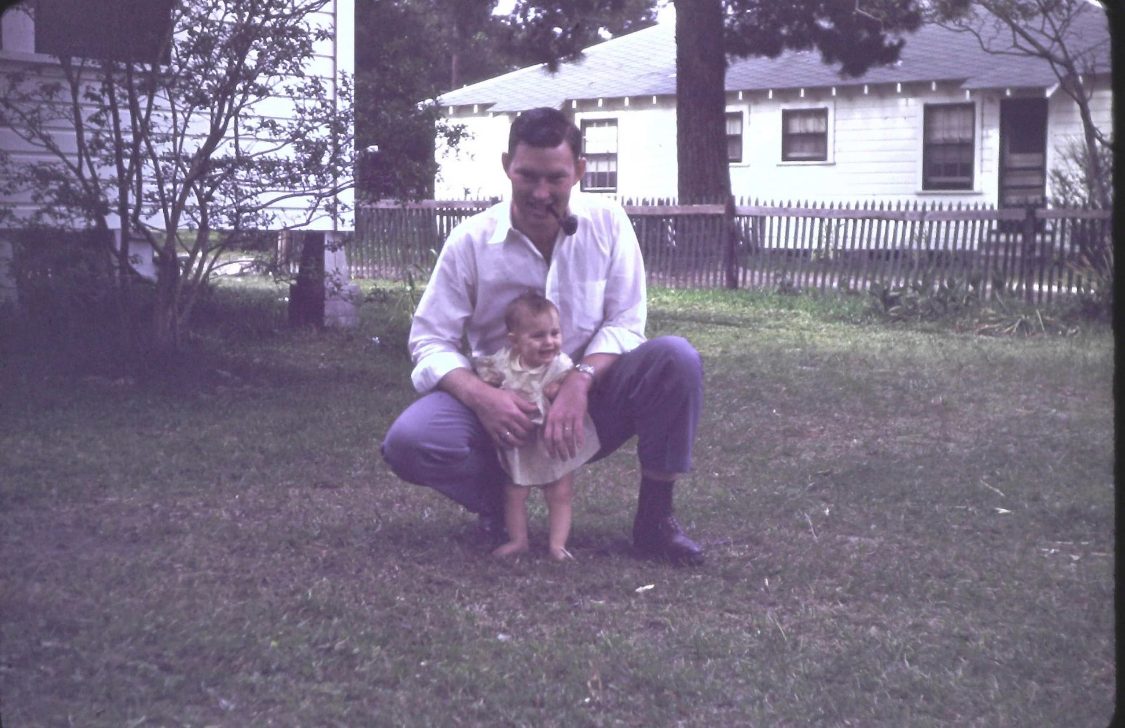
Mary Barfield Foster holding her son Bobby, 1959. Family photo.
Mary Elizabeth Barfield Foster was born in Logansport, Louisiana, in 1928 and died in Alto in 2005. Her son Robert Merrell “Bobby” Foster (1959–1988) was born in Lufkin. He was our founder’s father.
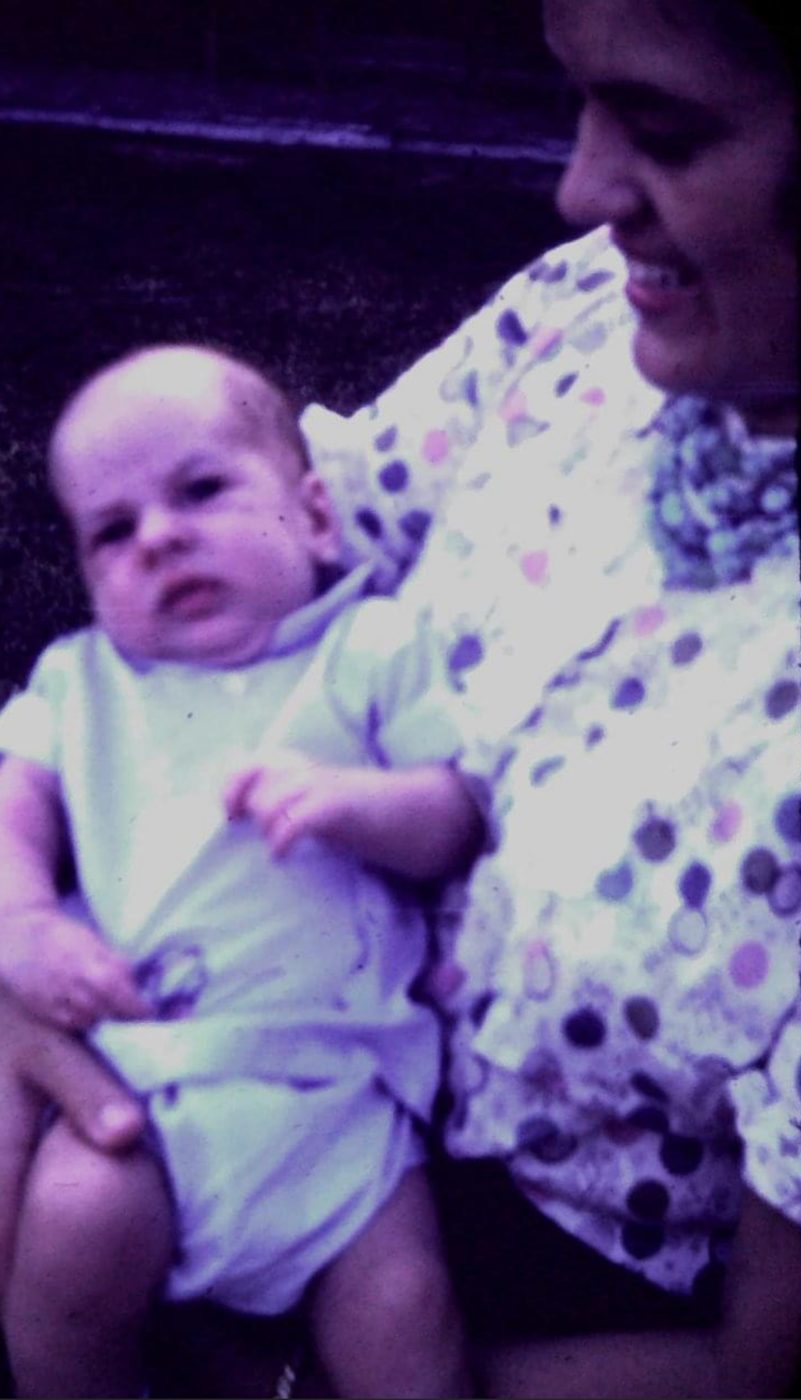
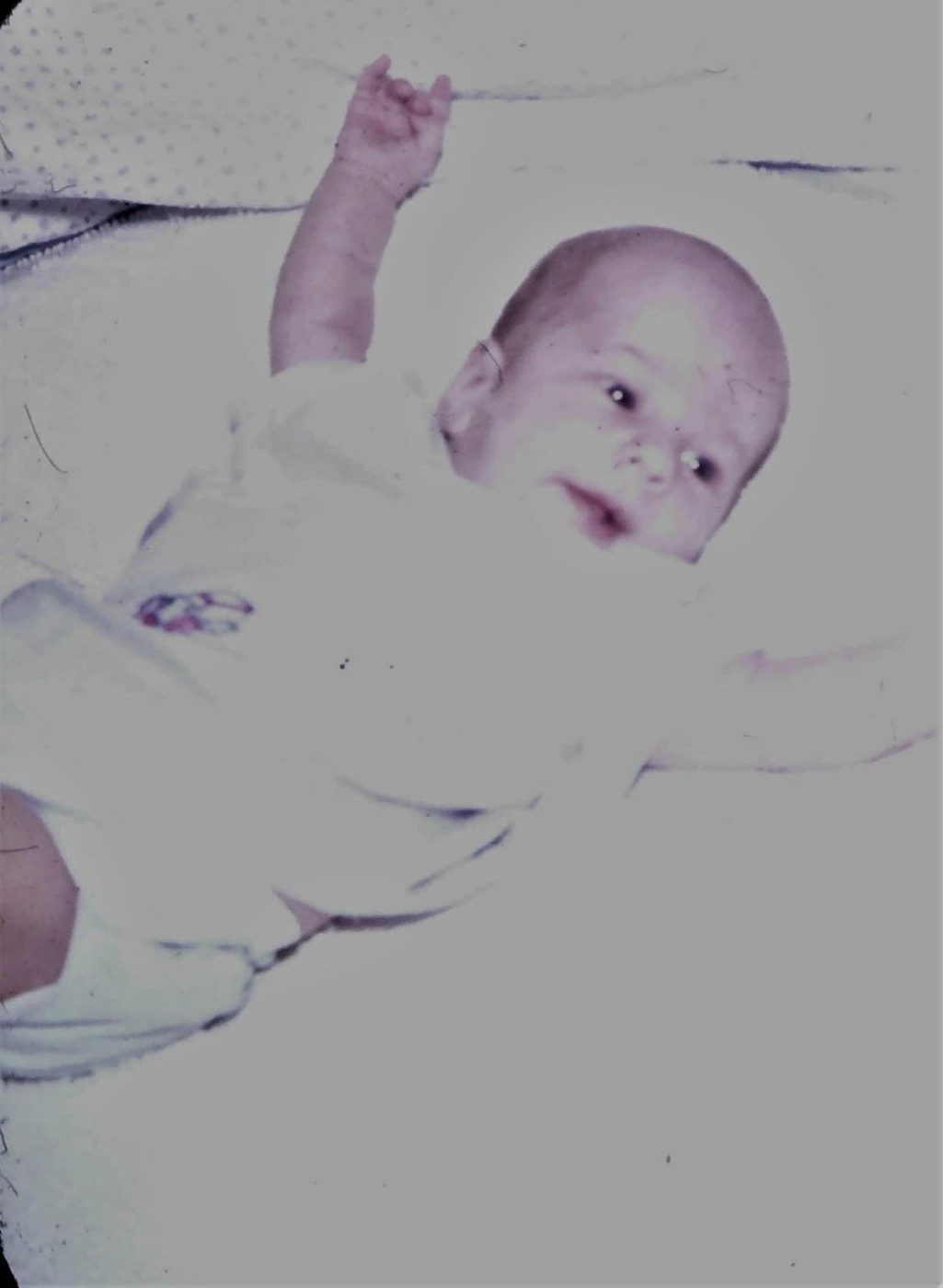
Bobby Foster as a baby, 1959. Family photo.Sources: family records and photographs.
The Renfros, Forrests, Snowdens, Russells, Chestnuts, Herringtons and Fosters
Our founder, Fawn Elizabeth Zion, descends from families in both books: the Renfros of Renfro Prairie, who came in 1840 and started one of the county’s first schools; the Forrests of Huntington; and the Russells, including W. D. “Bill” Russell, the county’s last Confederate veteran, and her grandfather Hayden Russell, who played on Lufkin’s 1957 PONY League world champions.
Got a family Bible, an old photo, a letter, a grave nobody visits anymore? We’d love to help you tell your people’s story here. Send who, where and when to contact@grailsystems.io. We’ll ask before we post anything, we’ll credit your family, and we never post anything about living people without their OK. For recordings, big files and questions to ask your elders, see Share your family’s story.